
Find Your Calm in the Concrete Rush
Today we dive into gadgets and wearables that reduce city stress, from discreet rings that read heart-rate variability to earbuds crafting protective quiet. Expect practical stories from crowded trains, crosswalk pauses, and elevator queues, plus simple experiments you can try this week to feel lighter, recover faster, and move through urban chaos with steady, confident energy.

Wrist-Based Coaching for Steadier Days
Modern smartwatches do more than count steps; they sense tension patterns, notice rushed breathing, and translate restless commutes into actionable micro-moments. With gentle haptics and clear visuals, your wrist becomes a streetwise mentor, helping you regulate pace, honor restorative breaks, and transform overscheduled mornings into smoother, kinder starts that protect attention, patience, and emotional bandwidth.
Quiet Within the Noise
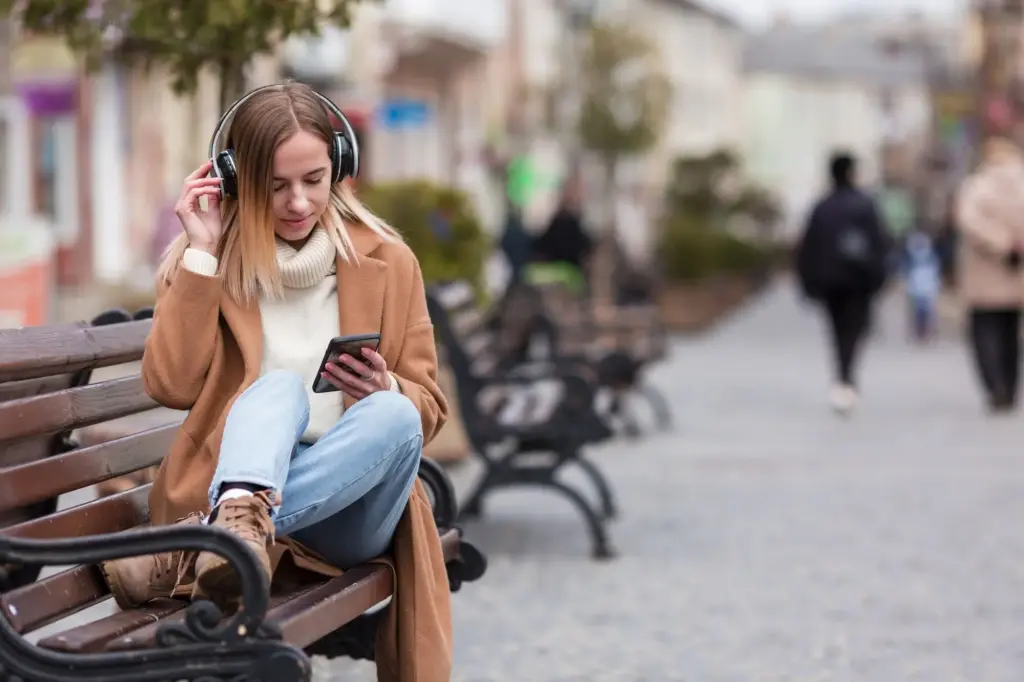
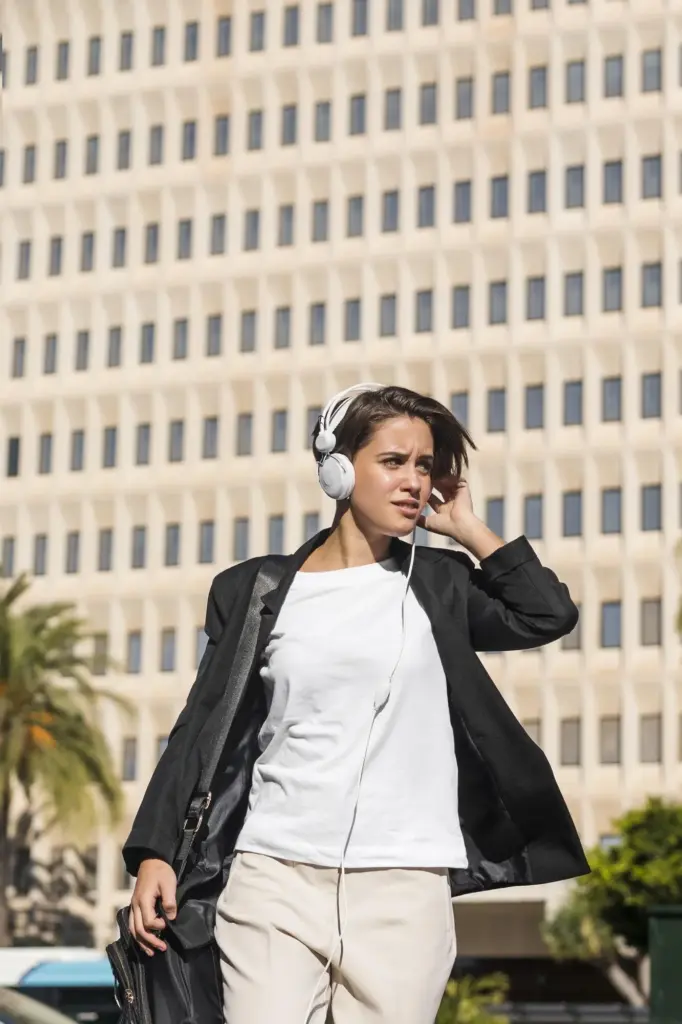
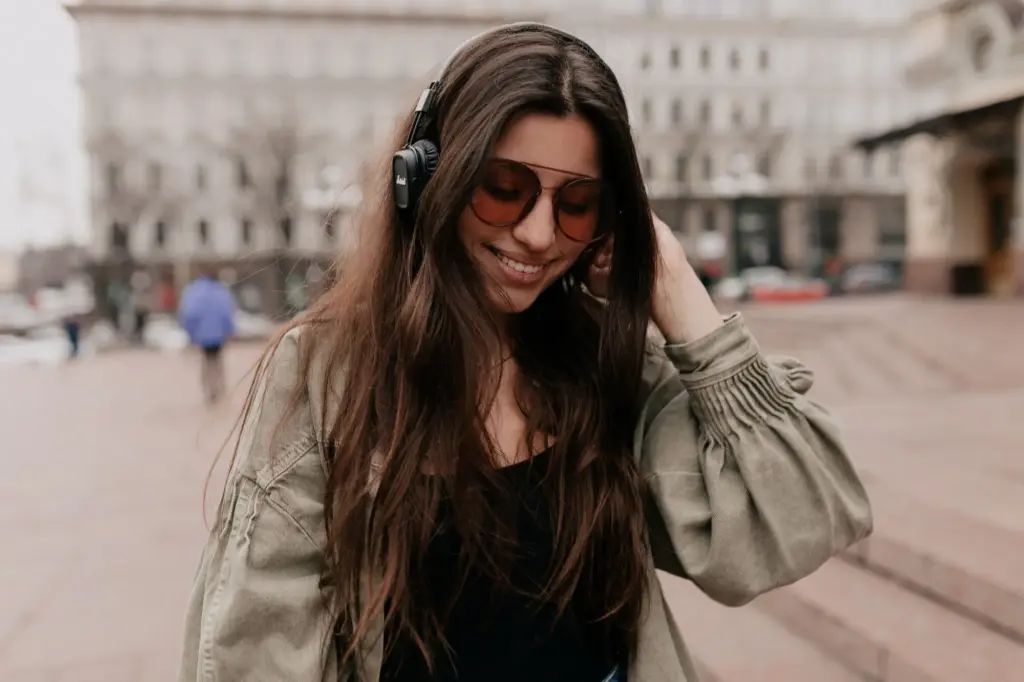
Adaptive noise-cancelling earbuds reduce low-frequency rumble by around 20–30 decibels at key ranges, easing mental fatigue without isolating you from honks or footsteps. Pair transparency modes with geofenced settings, and you gain a pocket of calm on subways, sidewalks, and cafés. Protection today also preserves future hearing, sustaining patience, focus, and conversational ease in demanding environments.

Adaptive Cancellation Without Losing Street Awareness
City safety demands awareness. Use adaptive modes that soften engine drones yet let sirens and voices through. Auto-switch profiles when you leave a station or step onto a bike lane, so your world stays readable. The result is less tension in the jaw and shoulders, fewer startle spikes, and smoother navigation through collisions of sound and speed.
Curated Soundscapes That Lower Perceived Effort
Gentle brown noise, soft rain, or focused cafe murmurs can reduce perceived effort during crowded errands. Try thirty-minute playlists aligned with walking cadence, and notice how tasks feel shorter. Pair with rhythmic breath—four steps inhale, six steps exhale—and your inner tempo leads. Share your favorite tracks in the comments so others can borrow your portable oasis.
Protecting Hearing to Protect Patience
Prolonged exposure above 70–85 decibels raises stress hormones and drains attention. A reliable seal and proper tip size matter as much as fancy chips. Aim for consistent daily quiet breaks: five minutes after trains, another post-lunch. Over weeks, sound fatigue eases, arguments cool faster, and you reclaim energy otherwise spent enduring relentless hum and clatter.
Micro-Breaks You Can Feel
Small wearables deliver gentle pulses that remind you to unclench your jaw, relax shoulders, or look up from screens. These tactile checkpoints slot between emails and crosswalks, turning minutes into nervous-system nourishment. When stacked across a day, they prevent the heavy, foggy crash that often appears at 4 p.m. and quietly sabotages patience, empathy, and creativity.


Breathing Easier on Busy Streets
{{SECTION_SUBTITLE}}

Pocket Sensors Turning Smog Into Clear Decisions
Portable monitors ping when particulates spike near intersections or construction sites. Instead of vague concern, you get a specific number and a quick map suggestion. Over time, patterns emerge: Tuesdays by the river are cleaner, afternoons near the depot are not. These insights shift routines gently, reducing exposure while keeping your schedule realistic and humane.

Smart Masks Balancing Filtration and Comfort
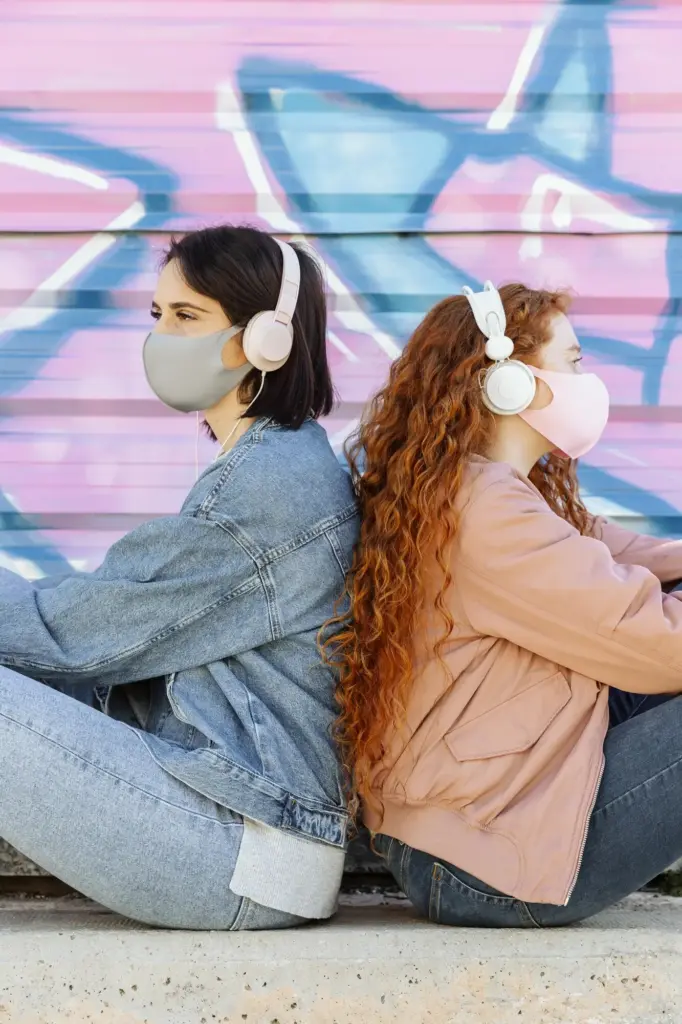
A good mask must breathe well, sit comfortably, and seal reliably. Models with replaceable filters and airflow valves reduce heat buildup on long commutes. Pair them with a soft neck strap for quick on-off transitions. By treating filtration like sunglasses—functional, stylish, always ready—you normalize healthy boundaries and avoid the irritability that constant throat scratchiness creates.
Rings and Clips That Read Your Calm
Tiny rings and clothing clips track temperature shifts, nightly recovery, and heart-rate variability, quietly signaling when stress load creeps up. Instead of powering through, you adjust: a slower walk, extra water, brighter light. These course corrections feel small, yet they stack into afternoons that end with clarity, not fog, and evenings that actually restore tomorrow’s momentum.
Minute-by-Minute Micro-Trends Gently Redirect Your Day
When resting heart rate inches high or skin temperature nudges upward, take a three-minute window to breathe or stretch. These micro-trends reliably precede crankiness and impulsive decisions. Respecting them builds trust with yourself. Over weeks, you learn earlier signals, catching spirals at a whisper rather than at a shout, and everyone around you benefits noticeably.
Biofeedback While Waiting to Cross
Turn red lights into calm drills. Watch a small graph rise and fall as you lengthen exhales until the curve smooths. The street remains the street, yet your inner weather clears. Two or three repetitions per day train resilience faster than occasional long sessions, making presence portable and practical where life’s bustle actually happens—right here.
Sleep-Aware Insights Prevent Tomorrow’s Edge
If your wearable flags choppy sleep, plan a lighter morning: dimmer screens, slower caffeine, short daylight exposure. This isn’t softness; it is strategic pacing. Guardrails today prevent terse emails, rushed mistakes, and evening collapses. Over time, you trade drama for durable output, proving that calm, tracked gently, is a competitive advantage in crowded, demanding cities.
Habits That Stick in Moving Lives
Gadgets shine when rituals fit your route. Pair breathing prompts with elevator waits, posture cues with bus arrival boards, and playlist shifts with station beacons. These anchors remove decision friction, letting calm unfold automatically. Invite a friend to join for a week, share results below, and discover how small, shared experiments become surprisingly sustainable urban routines.
All Rights Reserved.